
Echoes in the Lunar Abyss: A Journey Through Decay and Intrigue
- 1093

The lunar expanse unfolds as an otherworldly stage where an atmosphere of eerie isolation pervades every corner. In a scenario that blends first-person sci-fi tension with the delicate art of storytelling, every step into the abandoned base feels like a journey into the unknown. The sentiment is one of controlled uncertainty, woven into the narrative through a mix of environmental cues, stray electronic notes, and hints of a disappeared crew. The experience crafts a unique interplay between human vulnerability and an indifferent, sometimes unpredictable, technological presence, inviting the player to explore a world where danger is as shadowy as the unexplained whispers echoing through empty corridors.
A Decade in the Making
After more than ten years of intermittent development, the game emerges as a testament to persistence and evolving creative vision. Initially announced when pop culture was dominated by unexpected chart-topping hits, the project has matured into an intimate first-person exploration of a lunar base that now pulses with a distinct horror aesthetic. Despite its protracted creation process, every detail—ranging from the subtle environmental storytelling to the careful pacing of encounters—speaks to a team that has learned and adapted over time. This maturation is evident in both the visual cues and the layered narrative, crafting a progressively immersive experience that rewards players for patience and attention to detail, even when faced with unsettling mechanical adversaries.
Eerie Lunar Landscapes
The game's setting on a desolate moon base carries a profound sense of abandonment and mystery. The barren corridors and damaged infrastructure evoke a feeling of neglect and foreboding, as if the environment itself bears witness to untold events. Each exposed conduit, flickering light, and silent room invites players to piece together a narrative that is hinted at through scattered communications and diary fragments. The dynamic interaction between light and shadow extends well beyond a mere visual experience treat; it subtly informs the gameplay by concealing more than one secret and suggesting that the base may have been left to its own devices. This environment serves as an ever-present reminder of the loneliness and isolation that defines the very essence of the experience.
The Dual Nature of Robotic Opposition
Encounters with the base's robotic inhabitants expose players to a surprising duality. On one hand, a few small, innocuous machines present themselves in a less threatening manner, offering moments of levity amidst the tension. On the other, taller, imposing automatons infuse each corridor with a palpable sense of danger, forcing the player to carefully manage their distance and resources. Their design elicits both a sense of uncanny familiarity and relentless menace, as even a brief misstep can trigger a heart-racing sequence of chase and evasion. The contrast in these encounters is striking and demands a careful balance between caution and swift decision-making, elevating the mundane act of traversing the lunar base into a strategic, emotionally charged challenge.
Hide and Seek Under Lunar Shadows
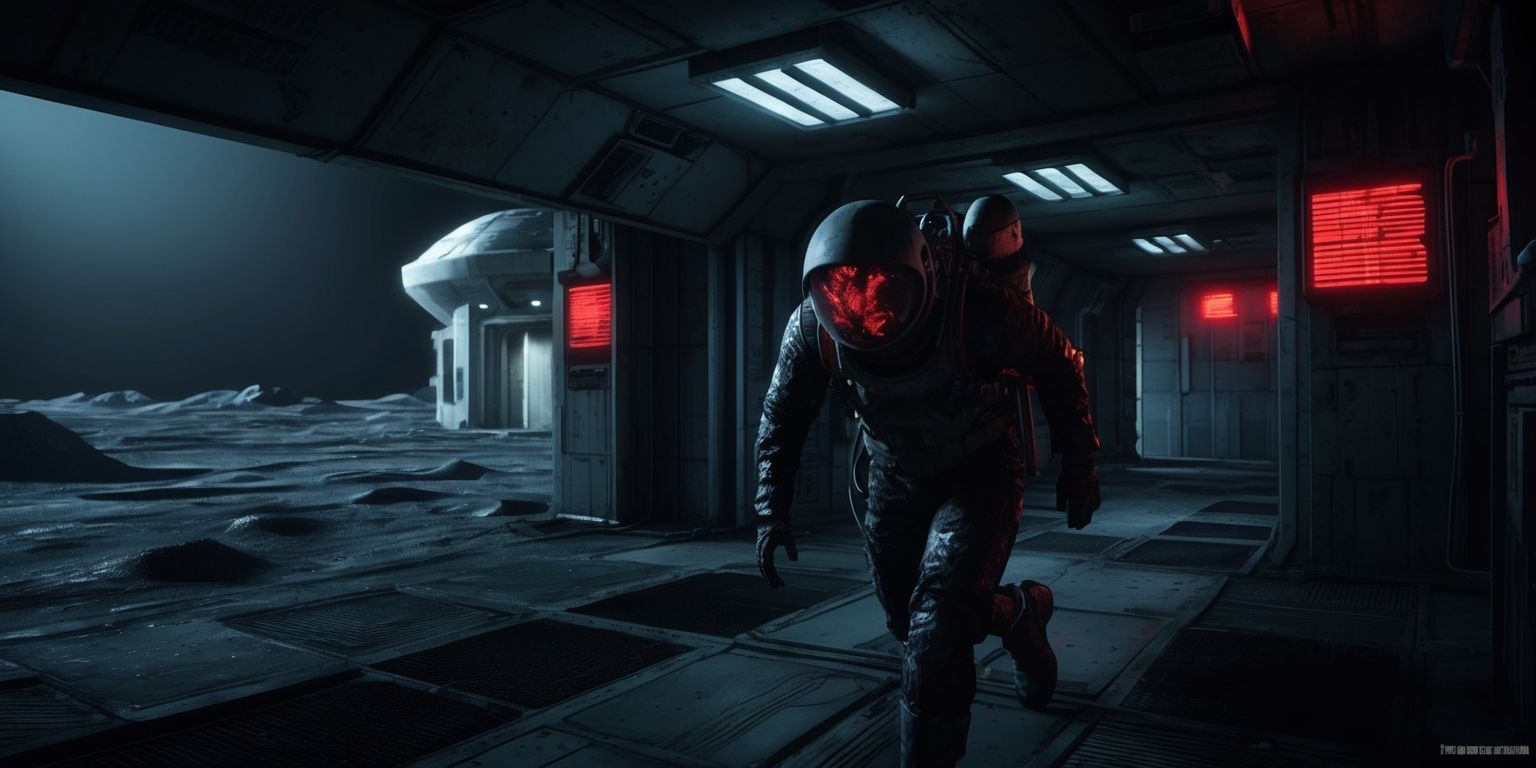
The core mechanic revolves around a tense game Drawing on the concept of hide-and-seek, in which the player is required to… constantly evade encounters that disrupt the delicate balance of exploration. Each stealth segment is imbued with an almost cat-and-mouse quality, forcing decisions on whether to hide, sneer out of cover, or sprint through the desolate halls. Equipped with a multipurpose tool meant for temporary stasis rather than offensive retaliation, the protagonist is left with few choices when confronted. This relentless cycle of evasion is central to the tension, making every moment feel like a test of composure and reaction. The necessity to balance the urge to explore with timely retreats adds a layer of psychological strategy that transforms the experience into a delicate interplay between fear and determination.
Confronting the Inescapable Pursuit
The relentless, though not sophisticated, pursuit by the robotic foes introduces a repeated scenario of suspense that some players may find wearisome. The adversaries, despite their impressive visual design, lack the detailed artificial intelligence that one might expect from a game emphasizing stealth, often resorting to basic tracking behaviors. The predictability of their movements can inadvertently shift the focus from profound tension to routine evasion. Yet, this very simplicity paradoxically intensifies moments of panic—the repetitive need to hide or retreat reinforces a monotonous yet nerve-wracking underpinning of the gameplay. While these encounters inject adrenaline into the journey, they also risk undermining the more intricate aspects of the narrative and exploration by drawing the player repeatedly into a cycle that sometimes feels overly mechanical.
Engaging and Accessible Puzzle Challenges
In stark contrast to the predictable behavior of hostile entities, the puzzles scattered throughout the lunar base are engaging and cleverly designed. Each challenge is constructed to balance intuitive logic with subtle complexity, forcing the player to engage both critical thinking and a sense of experimentation. The puzzles range from deciphering codes hidden in digital remnants to navigating labyrinthine circuits with a mix of deductive reasoning and trial and error. This careful calibration ensures that success is never guaranteed by mere repetition or external hints, preserving the satisfaction achieved upon solving a task. Even the more humorous puzzles, where a simple reboot of a malfunctioning terminal serves as the key, contribute to "a culture that views setbacks as valuable learning opportunities and" rewards persistent curiosity.
Subtle Storytelling and Fragmented Histories
The unfolding narrative is adeptly interwoven with environmental storytelling that leaves much to player interpretation. Instead of overt and intrusive narratives, the game offers fragmented clues—emails, voice recordings, and scattered diary entries—that hint at a past shrouded in mystery and despair. These narrative breadcrumbs invite the inquisitive player to gradually piece together the tragic sequence of events that befell the lunar base. Although certain elements of the narrative might seem to be loosely connected or even contradictory, they infuse the experience with an enigmatic quality that resonates long after a puzzle is solved. The storytelling approach eschews heavy exposition in favor of a measured reveal, challenging players to become detectives within their own unfolding horror tale.
Atmospheric Visuals and Audio Cues
The aesthetic presentation of the lunar base is a masterclass in atmospheric design, with visuals that evoke both sophistication and decay. Every illuminated panel, every flickering hologram, and every battered piece of machinery speaks to a story of both technological ambition and inevitable degradation. Accompanying these visual cues is an expertly curated soundscape that heightens the sense of foreboding. Sporadic beeps, distant echoes, and the occasional whisper of static create a layered auditory world that complements the stark visuals. This synergy between sight and sound functions both as a storytelling mechanism and as a An alternative version might be: "fulfills the dual role of conveying the narrative while also operating as a" critical gameplay mechanism. The audio cues often signal hidden threats or unlock subtle narrative elements, ensuring that every moment spent in the base is steeped in a mood that is as beautiful as it is unsettling.
Balancing Exploration and Tension
The game's design motivates players to… embrace the quiet loneliness of the lunar base while remaining alert to sudden, adrenaline-fueled interruptions. The design of the corridors, with their interplay of open spaces and claustrophobic nooks, promotes a sense of both liberation and confinement. As the player moves deeper into unknown territories, the strategic placement of audio and visual cues creates a rhythm that alternates between slow-paced exploration and reactive tension. This deliberate pacing is crucial, as it allows for moments where curiosity and cautious discovery are rewarded, only to be abruptly interrupted by encounters that force immediate focus. The result is a gameplay experience that is as methodical as it is heart-pounding, inviting players to navigate a terrain that constantly oscillates between calm and chaos.
Internal Logic and Occasional Discrepancies
Even within its immersive world, the game is not without its puzzles in terms of internal consistency. A few aspects of the plot and environmental design occasionally seem to defy the careful logic established elsewhere. For instance, certain puzzles exhibit timing issues or spatial inconsistencies that momentarily pull players out of the otherwise absorbing narrative. These minor lapses, while not entirely detrimental, serve as stark reminders of the challenges inherent in balancing complex narrative threads with interactive gameplay. Despite these discrepancies, the game manages to maintain an overall coherence, often using these moments as opportunities for subtle humor or as tests of the player’s willingness to adapt. Such imperfections ultimately add "a surprising infusion of authenticity into the experience", even if they momentarily disrupt the otherwise seamless immersion.
Complex Themes Behind Simple Mechanics
Fundamentally, the game flourishes thanks to a juxtaposition of seemingly simple mechanics with complex narrative themes. The basic stealth and evasion tactics serve as more than just gameplay elements; they are a metaphor for exploring the darker recesses of human and technological failure. Each encounter and each solved puzzle contributes to a broader commentary on isolation, decay, and the unpredictability of progress. The juxtaposition of accessible mechanics with an intricately woven narrative encourages players to reflect on the fragility of systems—both mechanical and human. The game’s stripped-down yet effective interface ensures that players focus on the unfolding mystery while being subtly nudged to consider the deeper implications behind each shadowed corridor and each eerily silent robotic sentinel.