
Trails in the Sky 2nd Chapter Remake Review: A Refined Return to Liberl
- 1
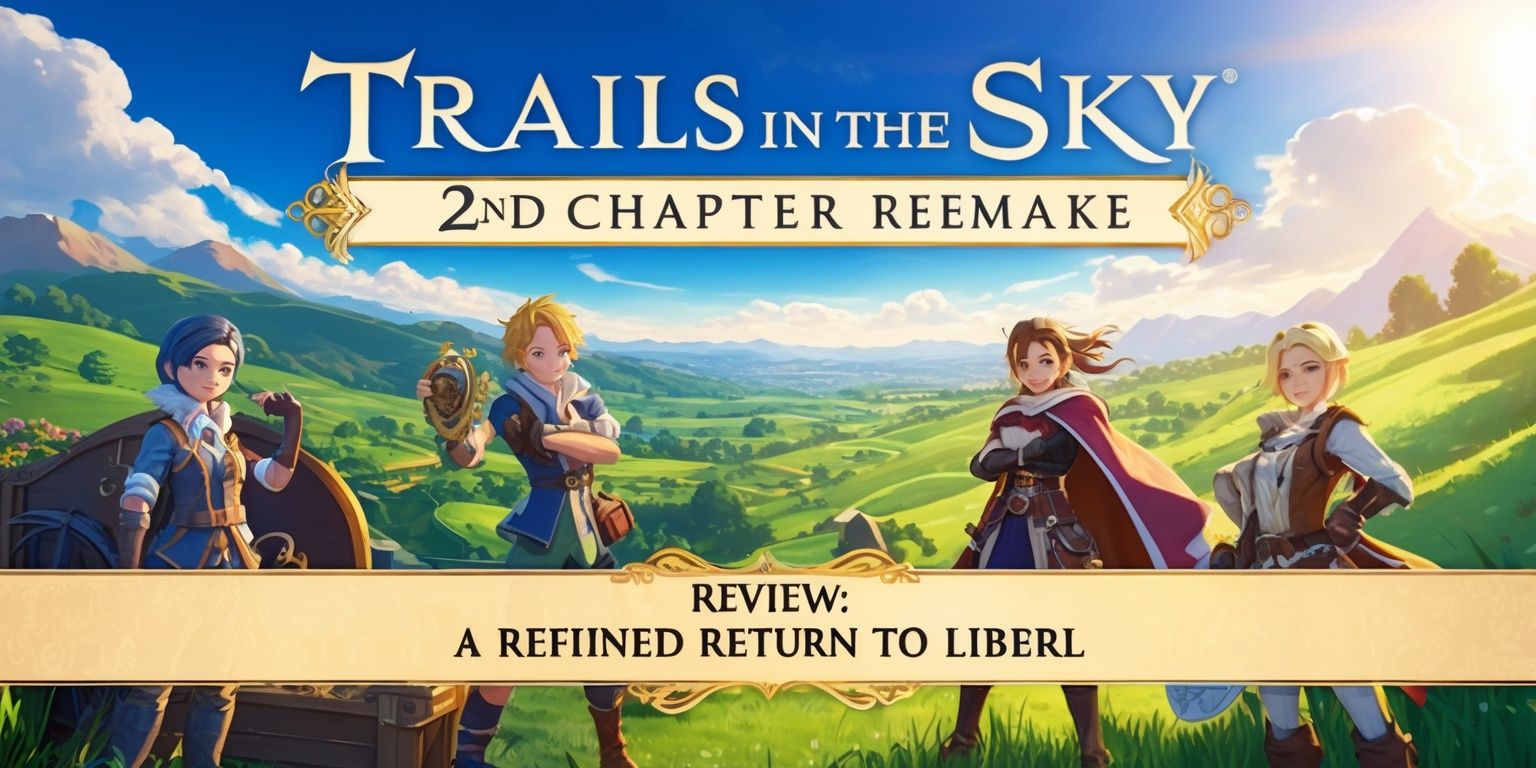
Trails in the Sky Second Chapter is presented as a remake that understands both the weight of legacy and the value of accessibility. For anyone encountering the series for the very first time, this version offers a clearer entrance into Liberl’s story-driven world, while long-time followers get a renewed perspective on one of the most emotionally important entries in the franchise. It keeps the original’s strengths intact, then layers in modern presentation, smoother systems, and a cleaner flow that makes the journey feel current without losing its identity. Everything from the storytelling rhythm to the battle design reflects that careful balance. The result is an RPG that feels familiar in spirit, yet noticeably renewed in execution, with a structure that gives its characters, locations, and mechanics space to breathe in a way that fits today’s standards.
Returning to Liberl with a fresh lens
The setting of Trails in the Sky 2nd Chapter remains one of its biggest draws. Liberl Kingdom is not rebuilt into something unrecognizable; instead, it is presented with enough visual and mechanical polish to feel newly explored. Players revisit towns, roads, and landmarks that may already feel known, but the remake changes the context and travel rhythm enough to make them feel reintroduced rather than repeated. This is not a simple visual update layered over an old structure. The world now carries a stronger sense of presence, with better camera work and more expressive animation helping the environment feel alive. Moving through the kingdom becomes part of the adventure’s identity, not just a method of reaching objectives.
A story shaped by urgency and personal stakes
This chapter begins in the aftermath of a major turning point, placing Estelle Bright at the center of a search that is equal parts emotional and determined. Joshua Bright’s disappearance immediately gives the narrative a stronger sense of urgency, but the game is not based solely on that hook. It also deepens the larger revelations tied to the cult-like events introduced earlier, giving the story a broader sense of danger and consequence. These threads are handled with care, allowing the emotional and political sides of the plot to complement each other. Because the remake preserves the original’s structure, the pacing feels deliberate, giving each reveal room to land without overwhelming the player with unnecessary complications or side routes.
Characters who make every scene feel animated
The ensemble stands out as one of the most unforgettable features of the remake, and the updated presentation makes their personalities even easier to appreciate. Estelle’s energetic and straightforward nature continues to contrast sharply with Joshua’s quieter, more restrained presence, creating a dynamic that gives the story emotional texture. At the same time, supporting figures such as Olivier and Blueblanc bring a theatrical edge to the script, turning many scenes into playful contests of vanity, wit, and timing. Full voice acting strengthens these moments considerably, especially since the original games had limited vocal support. Hearing the original voices return adds a layer of continuity that makes the remake feel like a respectful reunion rather than a replacement.
Dialogue, performance, and comedic timing
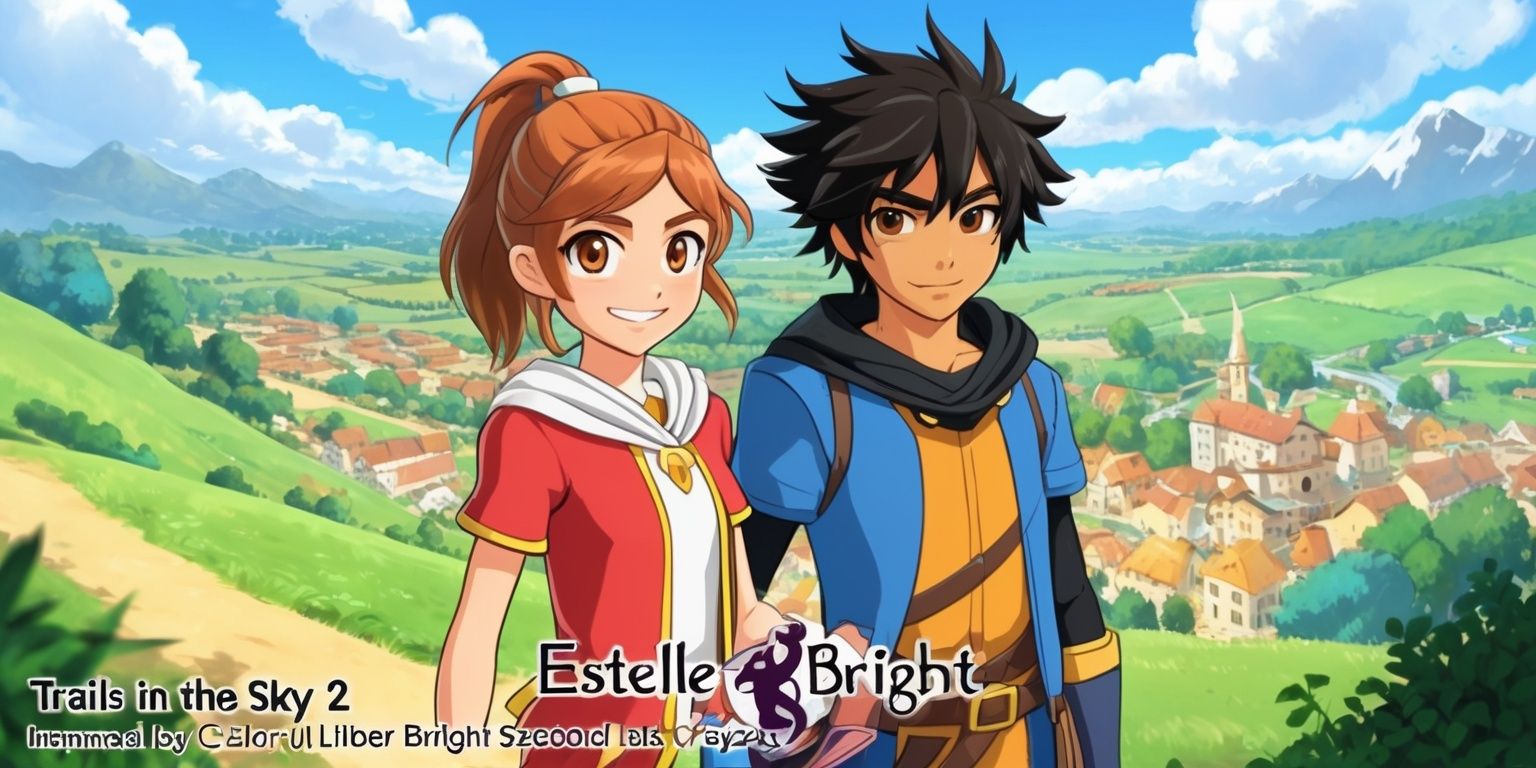
Beyond the main plot, the game thrives on its willingness to let characters be expressive, awkward, dramatic, and strange. The writing is full of moments where personality takes the lead, and the voice acting helps those exchanges land with more punch. Small exchanges now carry more texture because the actors can convey irritation, confidence, embarrassment, or mischief in a way text alone cannot fully match. That becomes important in a game like this, where the appeal often comes from how the cast bounces off one another between major story beats. The remake’s stronger delivery turns conversations into a central source of charm, not just a vehicle for exposition. It becomes easier to appreciate why these characters left such a lasting impression on fans.
Reordered travel that avoids feeling stale
Even though the remake revisits many of the same regions seen in the earlier chapter, it avoids feeling like a recycled path because the order of exploration has been reshuffled. Locations appear under new circumstances, and the side quests differ enough to create a distinct route through familiar territory. That structural change matters more than it may seem at first glance. Instead of simply walking the same route in the same sequence, players experience a version of the kingdom that feels rearranged for narrative purpose. It preserves the sense of continuity while still introducing enough variation to keep the journey engaging. The design gives the impression of returning to a beloved place with new responsibilities rather than redoing old errands.
A streamlined adventure without unnecessary clutter
One of the remake’s quieter strengths is its restraint. It does not overload the campaign with extra branches or layered systems that distract from the main arc. Compared with later entries in the series, this adventure feels more focused and less burdened by overlapping content. That streamlined approach works in its favor because it allows the story and characters to maintain momentum. There there is no indication that the game is attempting to pad itself with optional structures that exist only to make the package seem larger. Instead, it respects the strength of its own foundation. The result is a cleaner experience, particularly for players who value clarity in narrative progression and do not want the central journey diluted by unnecessary additions.
Last-act travel friction and pacing shifts
The remake is not entirely free of rough spots, and the final stretch shows one of the few places where momentum dips. Story demands force the party to revisit previous areas one more time, and that decision can make the closing buildup feel slower than intended. Much of the tension is softened by the need to retrace steps, especially when fast travel points that were already unlocked disappear and need to be activated again. That design choice creates a noticeable interruption in otherwise smooth pacing. The issue is smaller than it may sound, but it still stands apart since the rest of the game moves with such confidence. When the story is heading toward its climax, this one detour feels more like overhead than dramatic reinforcement.
Art direction that gives every moment sharper weight
The visual overhaul is one of the remake’s defining achievements. The shift to a more stylized anime-inspired presentation gives the world richer color, more dynamic framing, and greater emotional clarity. Combat no longer feels like a static process viewed from a distance; instead, it is staged with cinematic camera cuts, expressive close-ups, and smoother transitions that emphasize impact. Character models and facial animations add nuance to both ordinary and dramatic scenes, helping the game communicate mood in a more immediate way. Even simple travel or downtime sequences benefit from this approach because the cast now looks like it belongs in the space they occupy. The remake does not merely look modern; it looks more confidently directed.
Battle flow that blends speed with command strategy
The combat system is where the remake takes its biggest steps away from the original. Rather than sticking to a purely turn-based model, it integrates a hybrid structure that combines quick on-field encounters with the core command-based battles. This means players can weaken enemies in real time before transitioning into a structured fight, creating a flow that feels reactive and tactical at once. The field phase is useful for softening resistance, building advantage, and deciding how to enter each encounter. Then the command phase takes over with a more thoughtful layer of positioning, timing, and resource management. This combination gives encounters more texture and helps the remake feel firmly connected to modern Trails design while still respecting its strategic roots.
Brave Points and the reward of aggressive play
Brave Points add a highly satisfying layer to battle planning. By landing critical hits, striking stunned enemies, or triggering specific combat conditions, the party builds toward powerful Brave Attacks. These can take several forms, from coordinated follow-up strikes to larger, team-style bursts that deliver heavy damage. The system encourages players to think actively about opportunity instead of waiting passively for turns to unfold. It also gives offense a sense of momentum because the more efficiently the player acts, the more resources they can convert into explosive payoffs. That design turns damage into a resource and planning into a chain reaction. Every bold move has the potential to feed the next one, which makes each encounter feel more elastic and lively.
Stun management, extra pressure, and smart trade-offs
The hybrid system is not merely focused on sheer momentum; it also creates a careful balancing act. Players can use Brave Rush actions in the field to generate high stun damage, making it easier to begin command battles with an advantage. That is especially helpful against larger or tougher enemies that resist faster takedowns. However, spending those points early means entering the main battle with fewer resources available for stronger opening moves. This creates a meaningful decision rather than a simple upgrade path. The game continually asks whether it is better to spend now or hold back for a bigger payoff moments later. That back-and-forth keeps the combat from feeling mechanical, since each choice affects both the immediate clash and the layout of the following one.
Timeline control as the heart of tactical play
Even with all the new systems, the classic timeline mechanic remains essential. Turn order is displayed clearly, allowing players to read ahead and plan around enemy behavior. The real tension comes from the random bonuses that appear on the timeline, since those icons can grant recovery, guaranteed critical hits, or special casting benefits. The challenge is not merely defeating enemies, but shaping the sequence of events so favorable turns land where they matter most. Crafts and spells gain extra value when they are used to delay enemies, interrupt casting, or steal advantageous turn effects. This makes battle feel like a constant negotiation between damage output and temporal control. Every action can ripple forward, changing the shape of the fight in subtle but important ways.
Orbment setup and the strength of specialization
The Orbment system remains a defining part of each character’s identity, and this remake keeps that structure relatively close to the original. Quartz placement matters more than broad universal freedom, which gives the system a more specialized and old-school feel. Instead of every party member building from the same flexible template, characters lean into stronger roles through the configuration of elemental gems and spell paths. Magical characters can unlock higher-tier spells through careful arrangement, while more physical fighters operate within a different set of strengths. This approach may feel stricter compared with later Trails entries, but it gives the game a clearer sense of class-like distinction. The system is easy to understand, grounded in tradition, and still capable of rewarding thoughtful planning.